



Harr Chrysler Jeep Dodge Ram
The more you drive, the more certain vehicle components naturally wear with time. Whether you're commuting into Worcester, running errands around Auburn, or taking weekend trips from Shrewsbury, Massachusetts, understanding the repairs that commonly appear at different mileage milestones helps you plan ahead. At Harr Chrysler Dodge Jeep Ram, our service team helps drivers stay ready for the road with professional maintenance and repairs that keep vehicles performing their best. While every model has its own recommended service schedule, here is the top 10 most common car repairs by mileage:
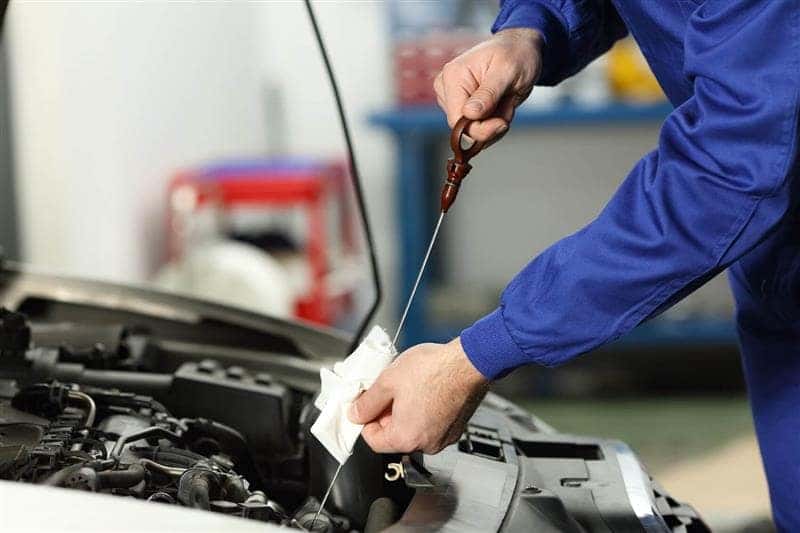
Fresh engine oil keeps internal components properly lubricated, reduces friction, and helps your engine run efficiently. Depending on your vehicle and the type of oil it uses, service is typically recommended every 3,000 to 10,000 miles.
Also, rotating your tires every 5,000 to 8,000 miles promotes even tread wear and can help extend tire life. This is especially beneficial if your daily routine includes Interstate 290, the Massachusetts Turnpike, or local roads that experience changing seasonal conditions.
These filters often need replacement. A clean engine air filter supports efficient performance, while a fresh cabin air filter helps keep dust, pollen, and road debris out of your vehicle's interior, making every drive more comfortable.
Brake pads are one of the first major wear items many drivers replace. If your daily routine includes stop-and-go traffic or frequent trips, your brakes may wear more quickly. Replacing worn brake pads helps maintain reliable stopping power and can prevent additional wear on your brake rotors.
Most car batteries last between three and five years, making replacement common during this stage of ownership. Cold Massachusetts winters and warm summer temperatures can shorten battery life over time. Installing a new battery helps ensure dependable starts, whether you're heading to work or preparing for a weekend getaway.
Spark plugs naturally wear with age and mileage. Replacing them during the recommended interval helps restore smooth acceleration, improve fuel efficiency, and reduce rough idling or engine misfires. It's a simple repair that can make a noticeable difference in everyday performance.
Over time, coolant and transmission fluid lose their ability to protect important vehicle systems. Replacing these fluids helps regulate engine temperature, supports smooth shifting, and protects major components from unnecessary wear during daily commutes and longer road trips.
The serpentine belt powers several important systems, including the alternator, power steering, and air conditioning. As the rubber ages, it can crack or wear out. Replacing the belt before it fails helps prevent unexpected breakdowns and keeps your vehicle operating smoothly.
If your vehicle is equipped with a timing belt instead of a timing chain, replacing it at the manufacturer's recommended interval is one of the most important preventive repairs you can make. A worn timing belt can fail without much warning, so replacing it on schedule helps protect your engine.
After years of driving, suspension components like shocks, struts, and ball joints naturally begin to wear. If your ride feels rougher than usual or your vehicle doesn't handle bumps as smoothly, replacing these parts can restore comfort, stability, and handling.
As oxygen sensors age, they can become less accurate, causing the Check Engine Light to illuminate and reducing fuel efficiency. Cleaning the fuel system and replacing worn sensors helps your engine run more efficiently and supports long-term performance.
Following your vehicle's recommended maintenance schedule helps preserve performance, reliability, and warranty coverage. If you lease your vehicle, completing scheduled maintenance may also help avoid additional charges at lease-end. Even after your warranty expires, staying current with service intervals helps your vehicle continue performing at its best.*
Routine oil changes, tire rotations, and air filter replacements are typically the first services most drivers complete. As mileage increases, brake pads, batteries, wheel alignments, spark plugs, and other wear items naturally require attention.
Yes. Addressing routine maintenance and replacing worn components before they fail helps protect larger vehicle systems, supports dependable performance, and can reduce the likelihood of more expensive repairs later on.
Now that you know the Top 10 Most Common Car Repairs by Mileage, it's easier to plan for the services your vehicle will need as the miles add up. At Harr Chrysler Dodge Jeep Ram, we serve drivers from Worcester, Auburn, and Shrewsbury, MA, with factory-trained technicians, genuine OEM parts, and professional service tailored to your vehicle. Schedule your service appointment today!
*Source: AAA


