



Harr Chrysler Jeep Dodge Ram
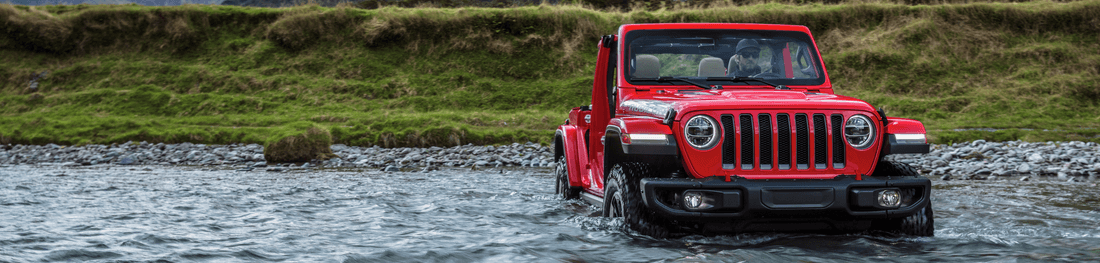
If you’ve just picked up a Jeep Wrangler from Harr CDJR, it’s only a matter of time before the urge to hit the trail kicks in. The Wrangler’s off-road prowess is what draws many drivers in, and for good reason.
From muddy trails to snow-packed woods, it’s built to take on the elements. But before you charge off into the wilds of Massachusetts, it’s worth brushing up on some essential off-roading tips to help protect both you and your Wrangler.

Before you hit the trails around Worcester or explore the muddy backroads of Shrewsbury, it’s a smart move to get your Jeep Wrangler inspected by a certified Mopar® technician. Off-roading puts more stress on your vehicle than daily driving, so making sure everything is in peak condition helps you avoid problems in the middle of an adventure.
Here’s what a Mopar®-certified technician at our service center can check for you:
Certified techs also have access to genuine Mopar parts and know the specific off-road capabilities of your Wrangler model. If you've added aftermarket parts or lifted your suspension, they can make sure everything is properly installed and trail-ready.
Book an appointment at Harr Chrysler Dodge Jeep Ram in Worcester before your next trip.
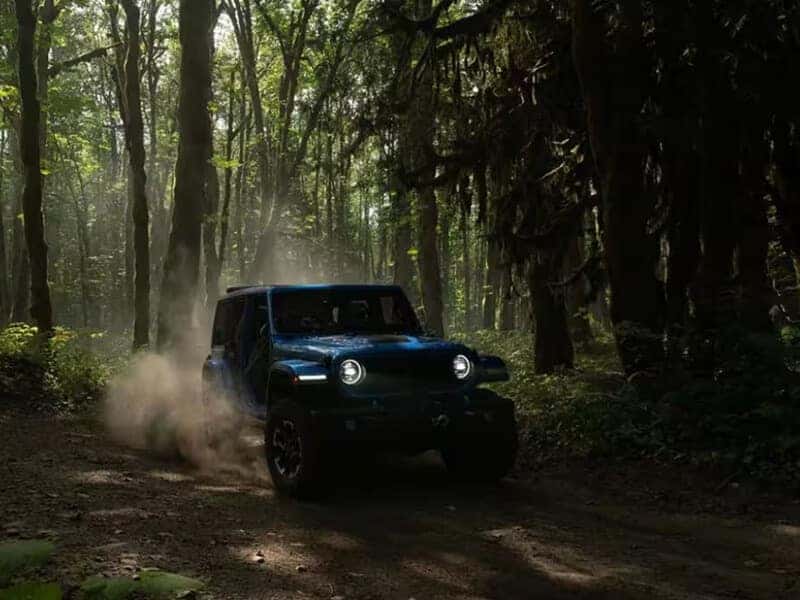
Every off-road trip should start with a little homework. Your Jeep Wrangler has a ton of features made for rough terrain, but it’s only helpful if you know how (and when) to use them.
Read your owner’s manual to understand your trim’s 4x4 system—Command-Trac or Rock-Trac, for example—and learn how to engage four-wheel drive properly. Get familiar with off-road assist features like hill descent control, locking differentials, sway bar disconnects, and ground clearance.
The Jeep Wrangler has a water fording depth of about 30 inches (just under 2.5 feet), depending on the trim level and tire size. If your Wrangler is lifted or has aftermarket snorkels, your limit might be higher.
Avoid moving water. Even at low depth, fast-moving streams can carry even the most capable vehicle off-course or trap you in mud. Approach the water in low gear and at a steady speed. Creating a bow wave in front of the Jeep helps keep water out of the engine bay.
Keep your momentum going through the water. Stopping mid-crossing increases the risk of stalling or flooding. After crossing, tap your brakes. Gently applying the brakes as you exit helps dry them out so they’ll function properly on the next downhill or stop.
Off-roading in Massachusetts is unique—especially with the range of seasonal conditions we get. One day, you’re tackling mud and puddles in Sutton, and the next you’re navigating packed snow near Wachusett Mountain.
Check the weather before every ride. Rain or snow can drastically change trail conditions. Research the trail system and make sure your vehicle—and your skill level—match the environment. Off-roading apps can help you scout trails in advance.
If you're heading out in winter or early spring, watch for frozen ground, snowdrifts, and icy inclines. Summer off-roading brings its own challenges, like deep mud, exposed rocks, and low-hanging branches.
Air down your tires before going off-road. Lowering your tire pressure helps create a larger surface area, giving you more traction and reducing the chance of getting stuck.
Remember to bring a portable air compressor so you can reinflate your tires before heading back onto paved roads.
Your Jeep Wrangler is more than capable of handling Massachusetts' off-road trails—if you're prepared. So gear up, plan smart, and get ready to experience what your Jeep was built for.
Need help getting your Wrangler trail-ready or scheduling post-adventure service? Stop by the service center at Harr Chrysler Jeep Dodge Ram in Worcester—convenient to Auburn, Shrewsbury, and all of Central MA


